
Tips for Negotiating the Best Price on a Home
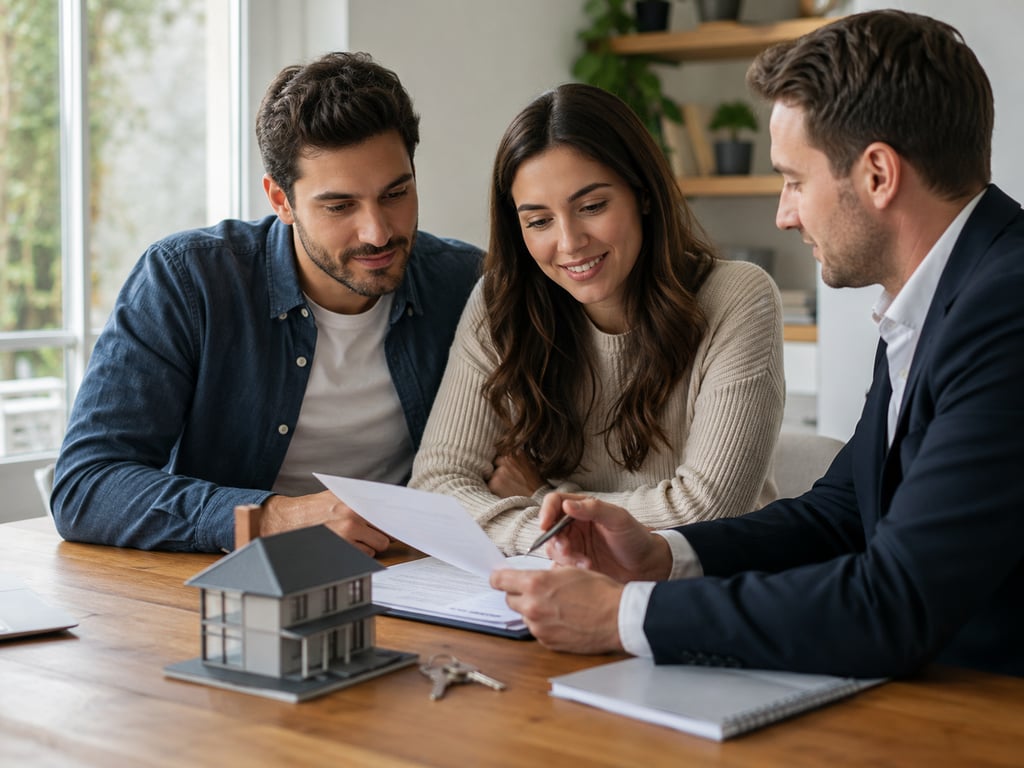

Buying a home is one of the biggest financial decisions you’ll ever make—so negotiating the best price is crucial. Whether you're a first-time homebuyer or a seasoned investor, strong negotiation skills can help you save money, secure better terms, and walk away with confidence. Here's a comprehensive guide on how to negotiate the best price when purchasing a home.
1. Do Your Homework
Before you even make an offer, research is your best weapon.
Study the Local Market: Know the average prices in the neighborhood and how long similar homes are sitting on the market.
Compare Recent Sales: Look at the final sale prices of comparable properties (also known as "comps").
Understand Market Conditions: Is it a buyer’s or a seller’s market? In a buyer’s market, you may have more leverage to negotiate.
2. Get Pre-Approved for a Mortgage
Being pre-approved shows sellers you’re a serious buyer.
Strengthens Your Offer: Sellers are more likely to negotiate with buyers who already have financing lined up.
Sets Your Budget: Helps you know exactly how much you can afford—and what you shouldn’t overpay for.
3. Start with a Strategic Offer
Your initial offer sets the tone for the negotiation.
Don’t Lowball Too Much: While it's okay to offer below asking, going too low may insult the seller and shut down negotiations.
Base It on Data: Use comps and inspection findings to support your offer amount.
Leave Room to Negotiate: A slightly lower first offer gives you space to move up during the negotiation.
4. Use an Experienced Real Estate Agent
A skilled real estate agent can make all the difference.
Market Knowledge: They know the local area and what’s reasonable to ask for.
Negotiation Skills: Agents can help craft strong offers and counteroffers, and they understand seller psychology.
Professional Network: They can connect you with inspectors, contractors, and lenders to support your buying process.
5. Get a Home Inspection—and Use It
The inspection report can be a powerful negotiation tool.
Identify Issues: Use any problems discovered during the inspection to ask for repairs or a lower price.
Request Credits or Repairs: Instead of reducing the price, you may ask the seller to fix certain issues or offer a credit at closing.
6. Be Flexible on Terms
Sometimes, non-price factors can give you the upper hand.
Closing Timeline: Offering a quicker or more convenient closing date can make your offer more attractive.
Contingencies: Fewer contingencies may appeal to the seller, but be careful not to waive important protections.
Personal Touch: Including a friendly letter explaining why you love the home can humanize your offer.
7. Know When to Walk Away
One of the strongest negotiation tools is your ability to say no.
Stick to Your Budget: Don't let emotions push you into overpaying.
Watch for Red Flags: If the seller won’t budge and the deal feels one-sided, it may be best to walk away.
There Will Be Other Homes: It’s better to wait for the right property than to rush into a bad deal.
8. Stay Professional and Respectful
Remember: real estate deals are about relationships.
Keep Emotions in Check: Negotiations can get intense, but remaining calm and respectful keeps the process moving forward.
Respond Promptly: Timely communication shows you're serious and committed.
Be Reasonable: A win-win mindset can often lead to a successful deal.
Conclusion
Negotiating the best price on a home takes preparation, patience, and strategy. By doing your research, working with a trusted agent, and staying flexible, you can navigate the process with confidence. Remember, the goal isn’t just to get the lowest price—it’s to get the best overall deal for your future home.