
Tips for Flipping Houses: Maximizing Profit in Real Estate
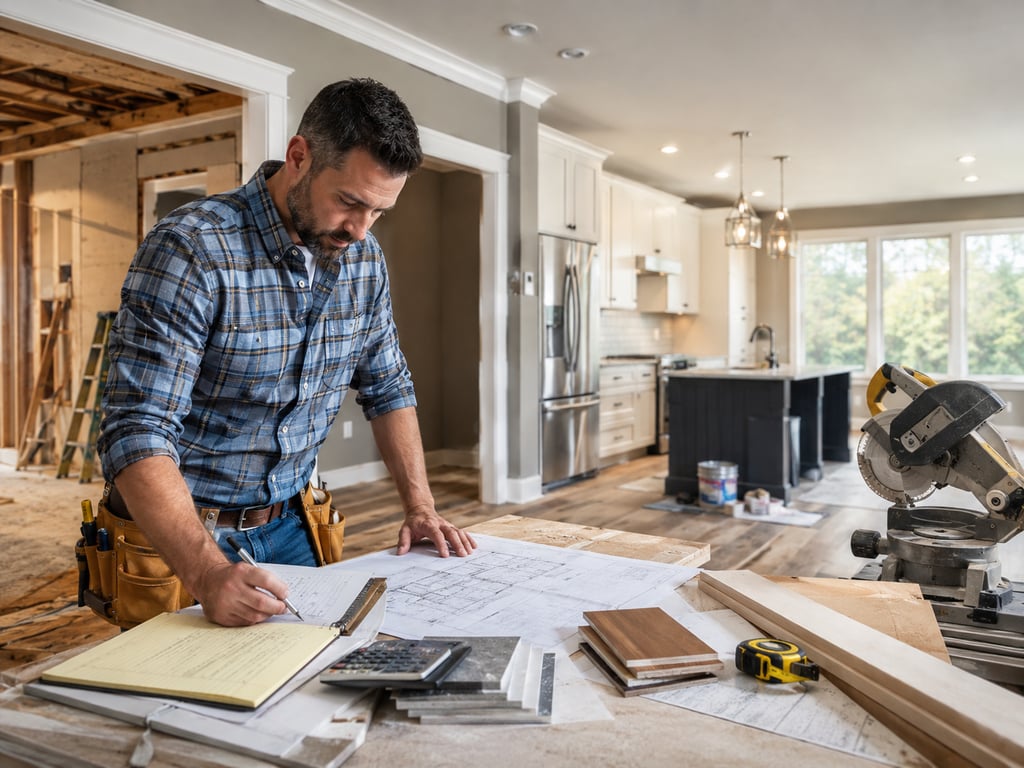
House flipping—buying properties, renovating them, and reselling for profit—has become one of the most exciting and potentially lucrative strategies in real estate investing. While the concept may seem simple, successful flipping requires knowledge, planning, and strategy. One wrong move can turn a promising flip into a financial flop.
If you're considering entering the world of house flipping, here are expert-backed tips to help you maximize your profits and minimize risk.
1. Understand the Market First
Before purchasing a property, research the local real estate market.
What types of homes are selling fast?
What price range is most attractive to buyers?
Are homes appreciating or declining in value?
📌 Tip: Focus on areas with high demand, low inventory, and signs of neighborhood improvement—these are prime for profitable flips.
2. Set a Realistic Budget (and Stick to It)
Successful flippers always have a solid budget before making an offer.
Your budget should include:
Purchase price
Renovation costs (labor, materials, permits)
Holding costs (utilities, insurance, property taxes)
Selling costs (agent commissions, staging, closing fees)
Emergency buffer (10–20% for surprises)
📌 Tip: Don’t let emotion drive your renovation plans—focus on ROI, not personal preference.
3. Find the Right Property
The perfect flip isn’t always the cheapest home. Look for:
Cosmetic damage (paint, flooring, outdated kitchens/baths) over structural issues
Homes that are underpriced due to neglect, not major defects
Properties you can renovate quickly (60–90 days is ideal)
📌 Tip: Properties in “up-and-coming” neighborhoods can yield high returns if timed right.
4. Focus on High-Impact Renovations
You don’t need to gut the whole house. Strategic upgrades can bring maximum returns.
Kitchens & Bathrooms: Often give the best bang for your buck
Curb Appeal: First impressions matter—landscaping, exterior paint, and a clean entryway can make a big difference
Lighting and Flooring: Affordable upgrades that elevate the entire space
📌 Tip: Avoid over-customizing. Go for modern, neutral designs that appeal to the widest audience.
5. Build a Reliable Team
House flipping is a team effort. Surround yourself with experienced professionals:
General contractors
Inspectors
Real estate agents familiar with investment properties
Hard money lenders (if needed)
Stagers and photographers for the final sale
📌 Tip: Vet contractors carefully—your profit depends on timely, quality work.
6. Time Is Money—Don’t Hold Too Long
The longer you hold a property, the more it costs you in taxes, insurance, utilities, and financing.
Set a clear project timeline
Minimize delays with proper planning and fast decision-making
Have your resale strategy in place before the renovation is complete
📌 Tip: Every month counts. Treat time like a financial resource.
7. Market It Right
Once the renovation is complete, make your property stand out:
Hire a professional photographer
Stage the home to show its full potential
List it at a competitive price with a strong marketing push (online, social media, open houses)
📌 Tip: A well-presented home sells faster—and for more.
8. Know the Tax Implications
Flipping houses comes with tax responsibilities:
Profits from flips are considered ordinary income, not capital gains
You may owe self-employment tax if flipping is your main business
Track all expenses for accurate reporting and deductions
📌 Tip: Work with a real estate-savvy CPA to stay compliant and reduce your tax burden.
9. Avoid Common Pitfalls
To stay profitable, steer clear of these rookie mistakes:
Underestimating renovation costs
Over-renovating for the area
Ignoring zoning or permit issues
Failing to get proper inspections
Letting emotions overrule math
📌 Tip: Treat every flip like a business decision, not a passion project.
10. Evaluate and Repeat
After the sale, analyze the entire process:
What went right?
What took longer or cost more than expected?
How can you improve the next flip?
📌 Tip: Each project should make you smarter—and more profitable.
Final Thoughts
Flipping houses can be incredibly rewarding, both financially and creatively. But it’s not about quick wins—it’s about smart investing, efficient execution, and strategic thinking. With the right knowledge, a great team, and discipline in your decision-making, flipping can become a powerful tool for building wealth through real estate.
Ready to flip your first property? Start with research, stay realistic, and flip smart.