The Future of Real Estate: Trends to Watch
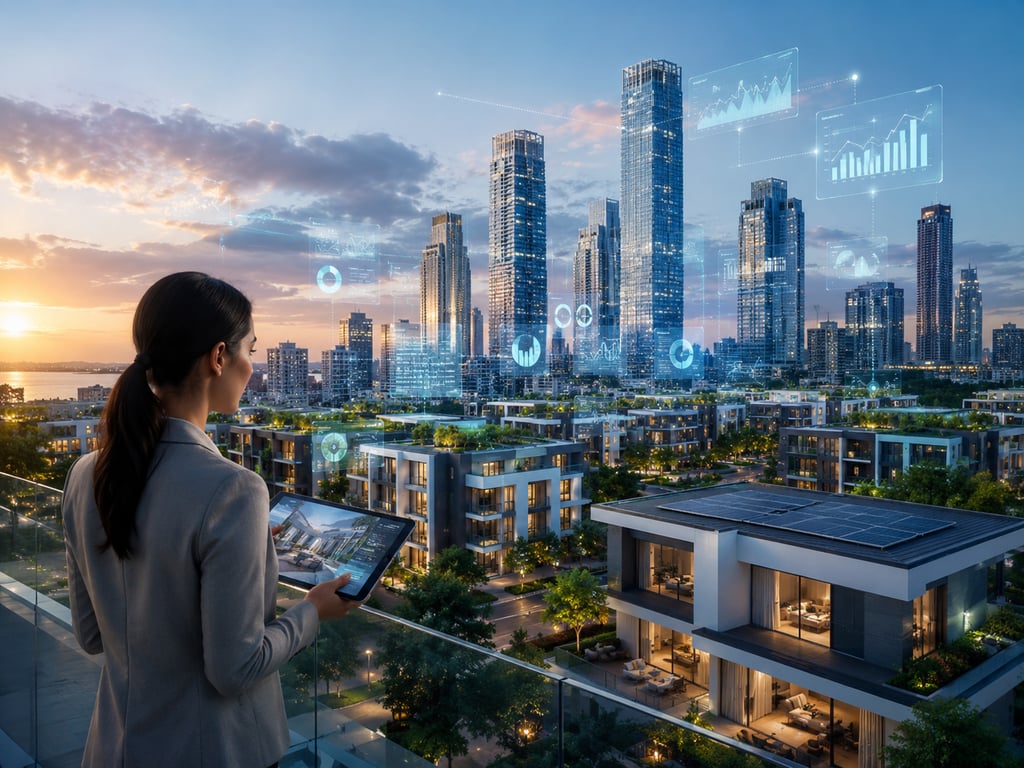
The real estate industry is evolving at an unprecedented pace. Technology, shifting demographics, lifestyle changes, and global events continue to reshape how we buy, sell, rent, and invest in property. For buyers, sellers, investors, and professionals alike, staying ahead of the curve is key to success.
1. Rise of Smart and Sustainable Homes
Today’s buyers are looking beyond square footage—they want smart features and eco-conscious design.
Smart Home Tech: Features like smart thermostats, lighting, security systems, and energy-efficient appliances are becoming standard expectations.
Green Building Materials: Eco-friendly materials and sustainable construction practices are gaining popularity.
Energy Efficiency: Solar panels, improved insulation, and energy-efficient windows are top selling points.
📌 What it means: Properties with these features command higher prices and attract forward-thinking buyers.
2. Tech-Driven Buying and Selling
Technology is streamlining the entire real estate process—from browsing to closing.
Virtual Tours & 3D Walkthroughs: Buyers can tour homes from anywhere, reducing the need for physical showings.
AI and Big Data: Predictive analytics are helping investors identify hot markets and price trends.
Blockchain Transactions: This emerging tech enables faster, more secure real estate deals and record-keeping.
📌 What it means: Tech-savvy agents and investors who embrace these tools will have a competitive edge.
3. Changing Demographics and Lifestyle Shifts
Demographic trends are directly influencing housing demand.
Millennials and Gen Z: These younger generations prioritize affordability, walkability, remote work flexibility, and sustainability.
Aging Population: More seniors are looking for accessible, single-level homes or downsizing into mixed-use communities.
Remote Workers: Demand is rising for home office space and properties in suburban or rural areas.
📌 What it means: Developers and agents must adjust to new preferences—smaller, smarter, and more flexible spaces.
4. Growth of Mixed-Use and Walkable Communities
People want more than just homes—they want live-work-play environments.
Urban Suburbs: Combining urban convenience with suburban space, these areas are attracting young professionals and families.
Mixed-Use Developments: Retail, office, and residential spaces all in one location reduce the need for commuting.
Walkability & Amenities: Access to restaurants, gyms, shops, and green space is a growing priority.
📌 What it means: Communities that offer lifestyle convenience will see higher demand and property values.
5. Alternative Housing Models Are Gaining Ground
The traditional homeownership model is no longer the only path.
Co-Living Spaces: Popular with younger renters, these offer affordability and built-in community.
Build-to-Rent Communities: Entire neighborhoods of rental homes provide flexibility without the commitment of ownership.
Tiny Homes & Modular Housing: Innovative, space-saving alternatives are appealing to minimalist and budget-conscious buyers.
📌 What it means: Investors and developers should diversify offerings to attract a wider range of residents.
6. Focus on Climate Resilience
As extreme weather becomes more common, buyers and developers are prioritizing safety.
Climate Risk Assessments: Buyers are factoring flood zones, fire risk, and natural disaster history into their decisions.
Resilient Construction: Builders are using materials and designs that can withstand environmental hazards.
Insurance Impacts: Properties in high-risk areas face rising insurance costs—or may become uninsurable.
📌 What it means: Climate-smart development and strategic location choices will be more important than ever.
💼 7. Data-Driven Real Estate Decisions
Access to big data is transforming how decisions are made in real estate.
Investment Analysis: Algorithms now analyze location, market trends, and buyer behavior with pinpoint accuracy.
Customer Experience: Real estate platforms are personalizing the user journey based on browsing history and preferences.
Smart CRM Tools: Agents can now predict which leads are ready to buy or sell, streamlining follow-ups and improving conversion.
📌 What it means: Agents and investors who embrace data will stay ahead of the competition.
Final Thoughts
The real estate landscape is undergoing a transformation. From smart home technology to sustainable development, from virtual transactions to shifting buyer preferences, the trends of today will shape the homes—and communities—of tomorrow.
For professionals in the industry, now is the time to adapt, innovate, and prepare. For buyers and investors, understanding these trends will help you make smarter, more future-ready decisions.
📌 The future of real estate is not just coming—it’s already here. Are you ready?